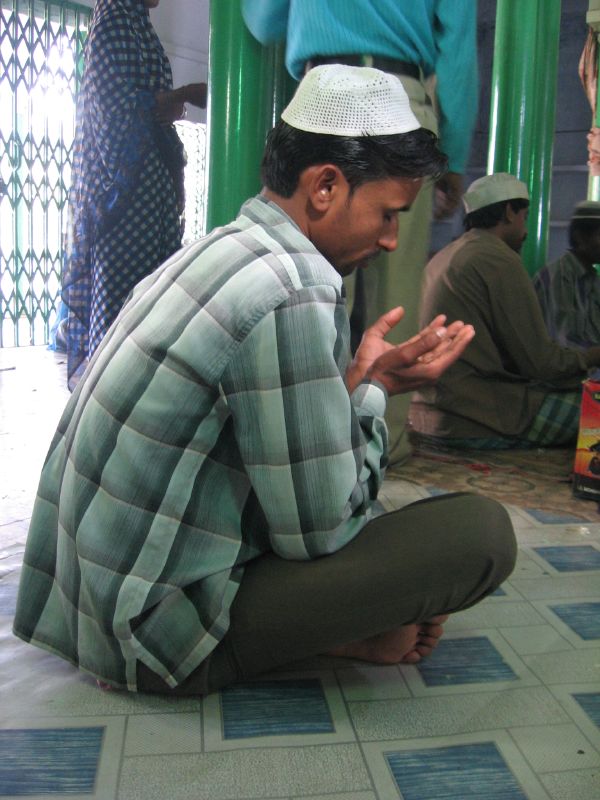
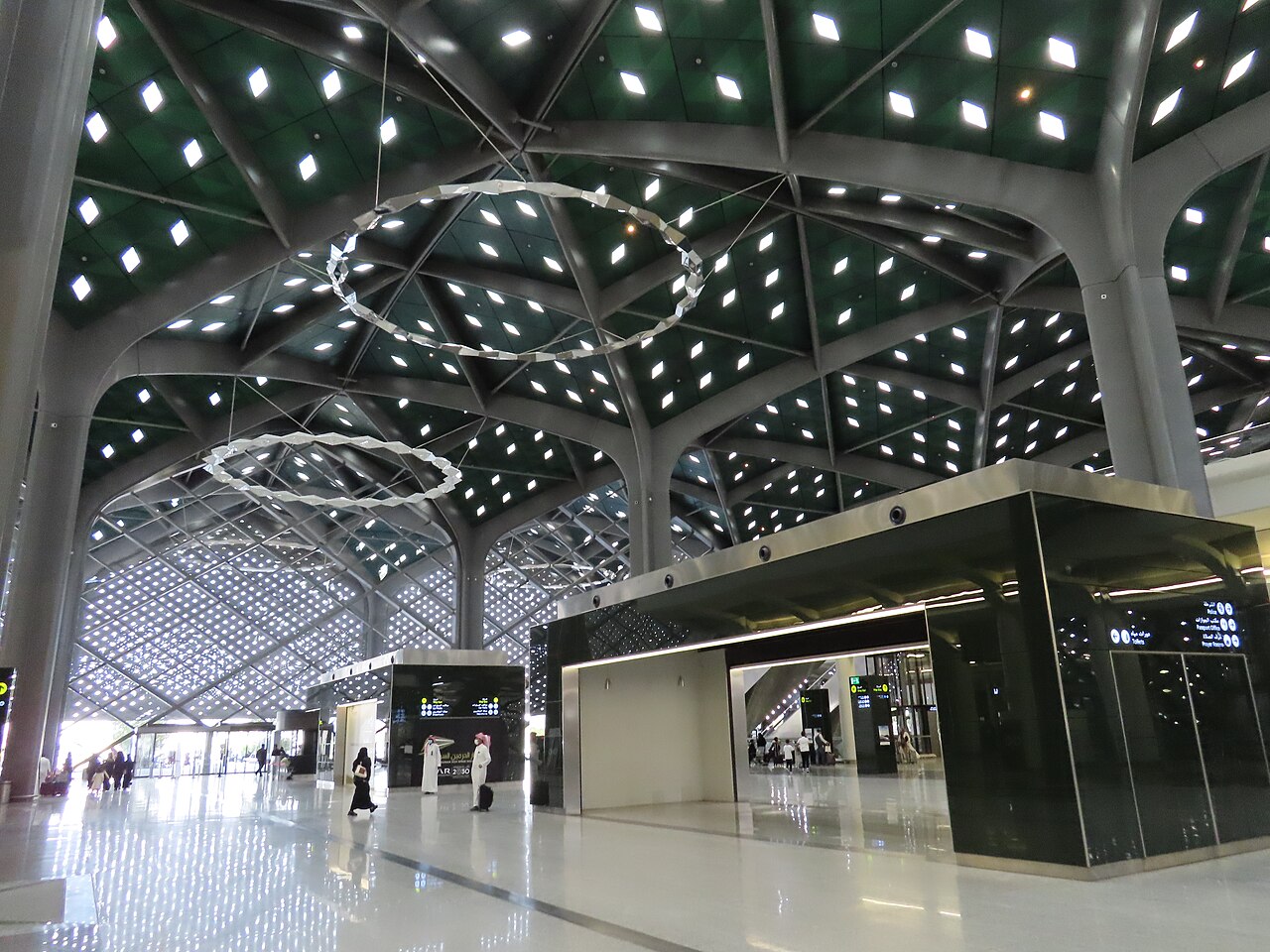
There is no specific obligatory prayer for each circuit of tawaf. Here are the prescribed recitations and tips to stay devout.
Tawaf is circling the Ka'bah seven times, beginning and ending in line with the Black Stone (Hajar Aswad), with the Ka'bah on your left. One question pilgrims often raise is: which prayer must be recited during tawaf? Understanding this matters so worship proceeds calmly and without confusion.
It should be known that there is no specific obligatory wording to recite in each circuit of tawaf. The Prophet (peace be upon him) did not assign particular recitations for the first circuit, the second, and so on. Therefore pilgrims are free to make dhikr, recite the Qur'an, seek forgiveness, send blessings upon the Prophet, or supplicate in any language they understand, according to their own needs and devotion.
Even so, some recitations are prescribed. When beginning each circuit from the direction of the Black Stone, pilgrims gesture with the hand towards the stone while saying "Bismillah, Allahu Akbar." This gesture replaces touching or kissing the Black Stone, which is hard to do in crowds.
Also prescribed is the supplication between the Yamani Corner and the Black Stone: "Rabbana atina fid-dunya hasanah, wa fil-akhirati hasanah, wa qina adhaban-nar," meaning, "Our Lord, grant us good in this world and good in the Hereafter, and protect us from the punishment of the Fire." This concise prayer encompasses a request for the good of both this world and the next.
A few practical tips can help. First, memorise the supplication between the two corners, as it is easy and full of meaning. Second, prepare a list of your personal needs to ask for, so you do not forget amid the crowd. Third, if memorising is difficult, simply increase simple dhikr such as tasbih, tahmid, takbir, and istighfar.
No less important is maintaining devotion and order. Avoid stopping abruptly in a way that disrupts the flow of pilgrims, and do not push others to get near the Ka'bah. A sincere prayer from afar is better than one accompanied by harming others.
Tawaf is in essence an expression of total surrender to Allah, circling His House while magnifying His name. So fill each circuit with a present heart, not merely a moving tongue. By understanding that the prayers of tawaf are broad and not rigid, pilgrims can enjoy this act of worship calmly, devoutly, and with full reflection.
Besides the recitations, there are some sunnahs in the manner of tawaf recommended specifically for men, namely idtiba and raml. Idtiba is uncovering the right shoulder by placing the middle of the ihram cloth under the right armpit during tawaf. Raml is walking briskly with short steps in the first three circuits, as an expression of zeal in worship. Both sunnahs do not apply to women.
If conditions are too crowded to perform raml, pilgrims need not force it to the point of disturbing others; simply walk normally. Remember that the essence of tawaf is presence of heart, not merely physical movement. Recite the prayers and dhikr calmly, absorb their meaning, and make those seven circuits a journey of the heart drawing ever closer to Allah. In this way, tawaf is not only valid in terms of jurisprudence, but also leaves an imprint on the soul.