Every umrah season has its advantages and challenges. Know your timing options so they suit your goals, budget, and condition.
Umrah can be performed throughout the year, yet each period has a different character in terms of crowds, weather, and cost. Choosing the right time helps your worship feel more comfortable and suited to your situation. Here are several considerations to note before setting your departure schedule.
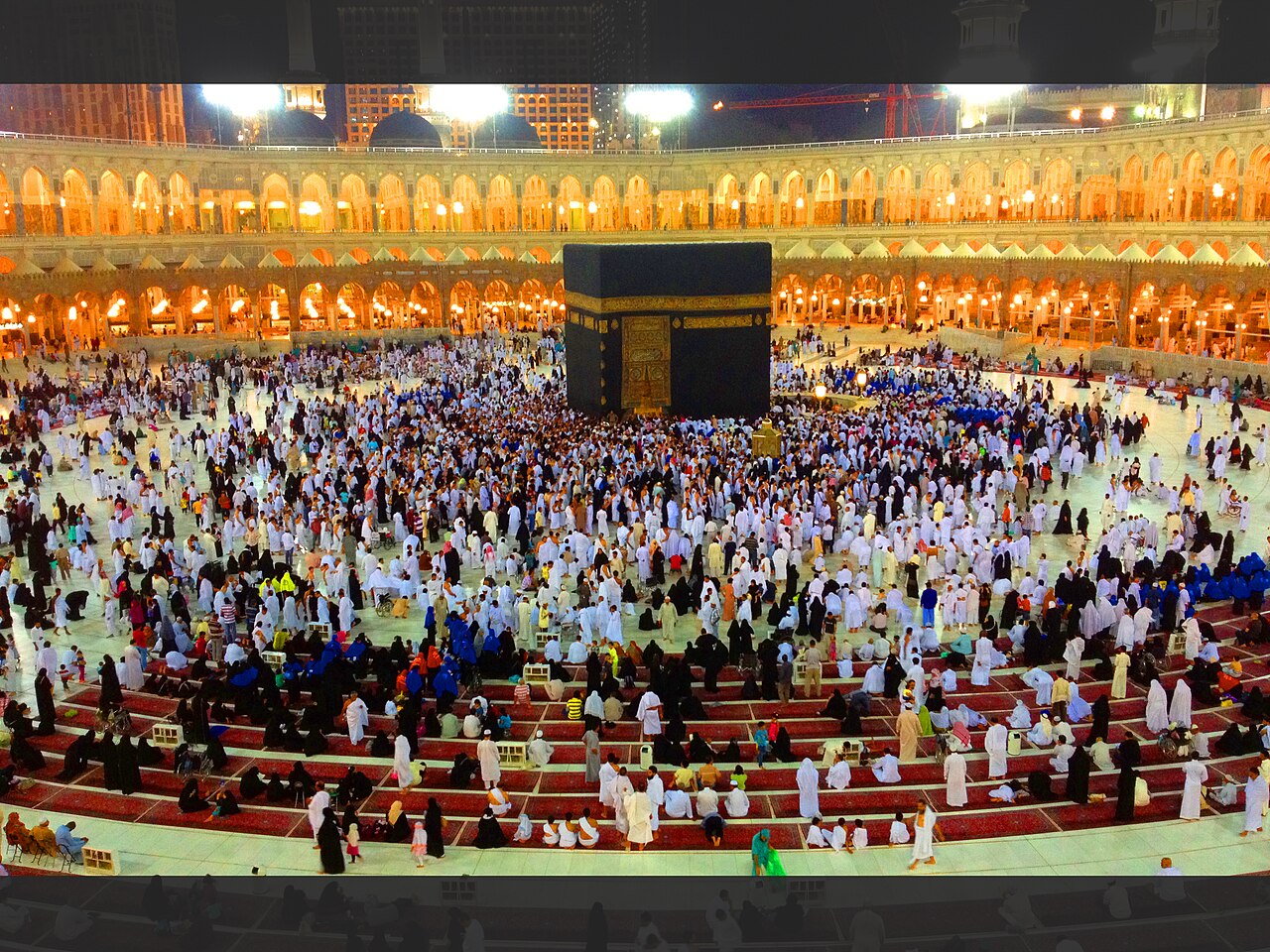
Ramadan is the most virtuous time in terms of reward, and many pilgrims long for the atmosphere of worship in the last ten nights. However, this period is very crowded, accommodation fills quickly, and it tends to be the most expensive. This time suits those who prioritise virtue and are ready to face the crowds.
School holidays and the year-end are also busy because many families travel together with children. If you wish to bring your extended family, this period is practical as it coincides with holidays, but book well in advance since flight seats and hotel rooms sell out fast.
Outside the peak seasons, such as mid-year after the hajj season ends, the atmosphere is usually quieter. Queues are shorter, movement inside the mosque is freer, and package prices are often friendlier. This is a good choice for elderly pilgrims or anyone seeking calmer worship.
Consider the weather carefully. Summer in Saudi Arabia can be very hot with high temperatures, while winter feels cool to quite cold at night. Match your choice to your physical endurance, especially if you have certain health conditions sensitive to temperature.
Also mind your budget and leave availability. Package prices are affected by exchange rates, flight ticket prices, and the departure season. Planning far ahead lets you get better prices, choose the right schedule, and arrange work leave calmly without rushing.
Think too about the programme duration you want. Some pilgrims choose longer packages so they can worship at a relaxed pace, while others choose shorter durations due to time constraints. Adjust it to your goals and physical capacity.
Also consider your personal agenda and family situation when deciding the time. Avoid departing too close to important events that occupy your mind, and ensure there is enough preparation time for manasik training, health checks, and document processing. A departure planned without haste makes you more ready, outwardly and inwardly, to perform the worship.
Finally, align your choice with your personal goals. If you seek the virtue of timing, Ramadan is special; if you prioritise comfort and calm, choose outside the peak seasons. Discuss your plan with a trusted operator so you get advice on the timing that best fits your family's needs, health, and budget.