How to plan umrah costs sensibly: understanding cost components, saving gradually, preparing spending money, and exchanging currency wisely.
Planning your finances early makes the intention to perform umrah easier to fulfil without hardship. With sound planning, you can save gradually and travel with peace of mind, rather than borrowing beyond your means.
Understanding the cost components
Umrah costs generally consist of the main package (flights, hotels, visa, transport, and meals) plus costs outside the package. Costs outside the package usually include passport processing, vaccination, personal equipment, spending money, and personal expenses in the holy land. Understand clearly what is and is not included in your travel package so there are no surprises.
Saving gradually
Set a cost target and a departure date, then split it into realistic monthly savings targets. Keeping a dedicated umrah account can help with discipline. Avoid schemes that promise departure for a very small deposit without clarity, as they are risky.
Preparing spending money
Besides the package cost, prepare spending money for personal needs such as extra meals, souvenirs, charity, and unexpected expenses. The amount depends on each person's needs. It is best to bring a reasonable amount and not too much, for safety.
Exchanging currency wisely
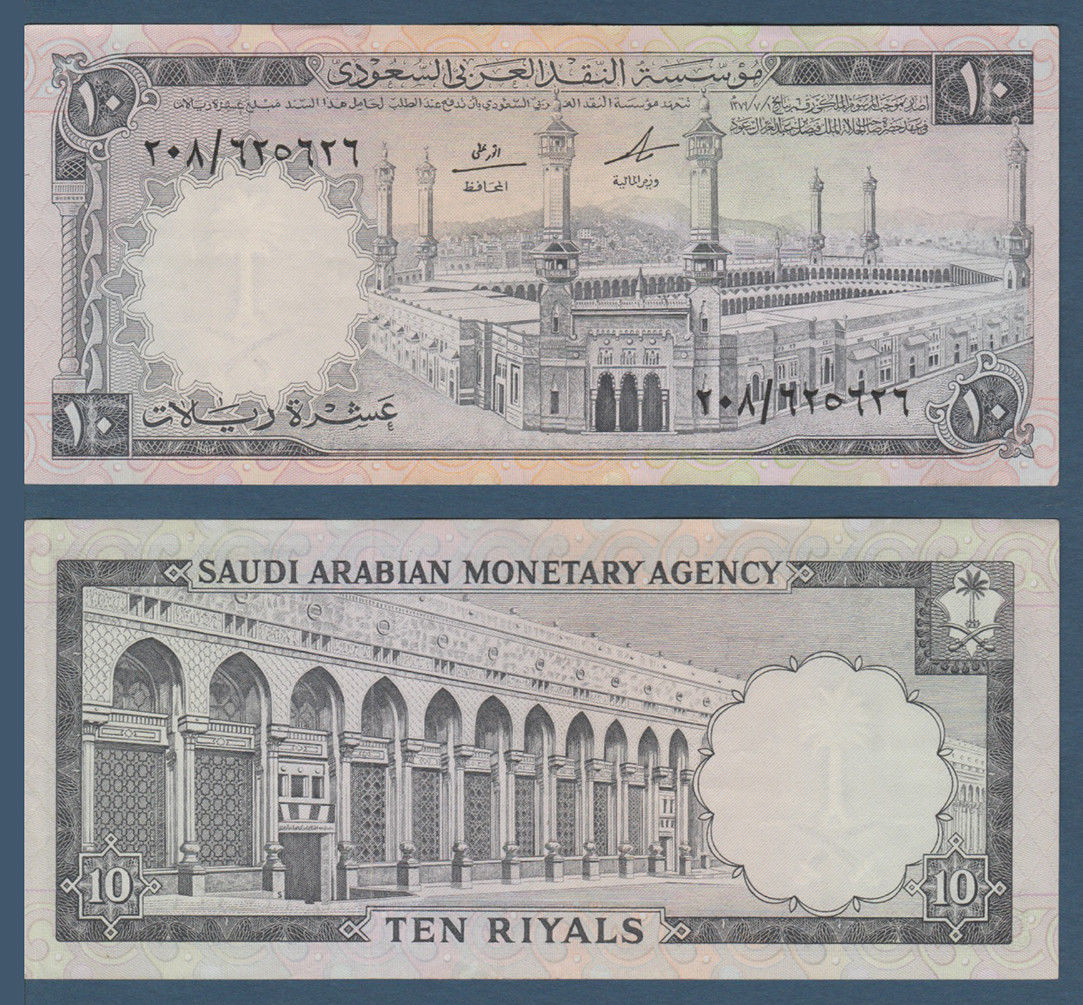
Spending money usually needs to be exchanged into the local currency, such as the Saudi Riyal. Compare rates at official exchange outlets and exchange only part of it from home, adjusting the rest later. Keep money in several different places rather than all in one wallet, and use the hotel safe if available.
Tips for managing finances
- Prioritise essential needs before the urge to shop.
- Track expenses to stay in control during the trip.
- Set aside a separate emergency fund for urgent needs.
- Be wary of exchanging money at unofficial places.
Keep in mind that cost figures, exchange rates, and package details can change with conditions. So confirm the latest cost details with your licensed travel agent and plan a budget that fits your family's means.
Besides planning expenses, it is also important to keep your money safe during the trip. Avoid showing large amounts of money in public, and split your spending money into several storage places. Carry enough cash for daily needs and keep the rest somewhere safer.
Where possible, combine cash with the applicable cashless payment methods so you do not need to carry a lot of money at once. However, do not rely entirely on a single method, as not every place accepts it.
After returning from the holy land, any leftover money can be saved or exchanged back as needed. Most importantly, make managing your finances part of your effort so that worship proceeds calmly and free of burden. A simple but disciplined plan is usually far more helpful than a complicated one that is hard to follow.
In this way, your good intention toward the House of Allah can go hand in hand with calm, safe, and responsible money management right from home.