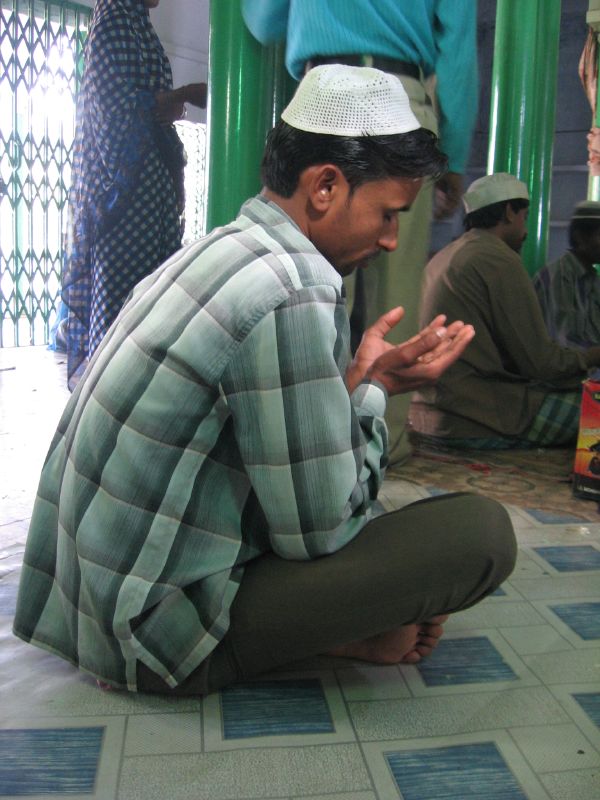
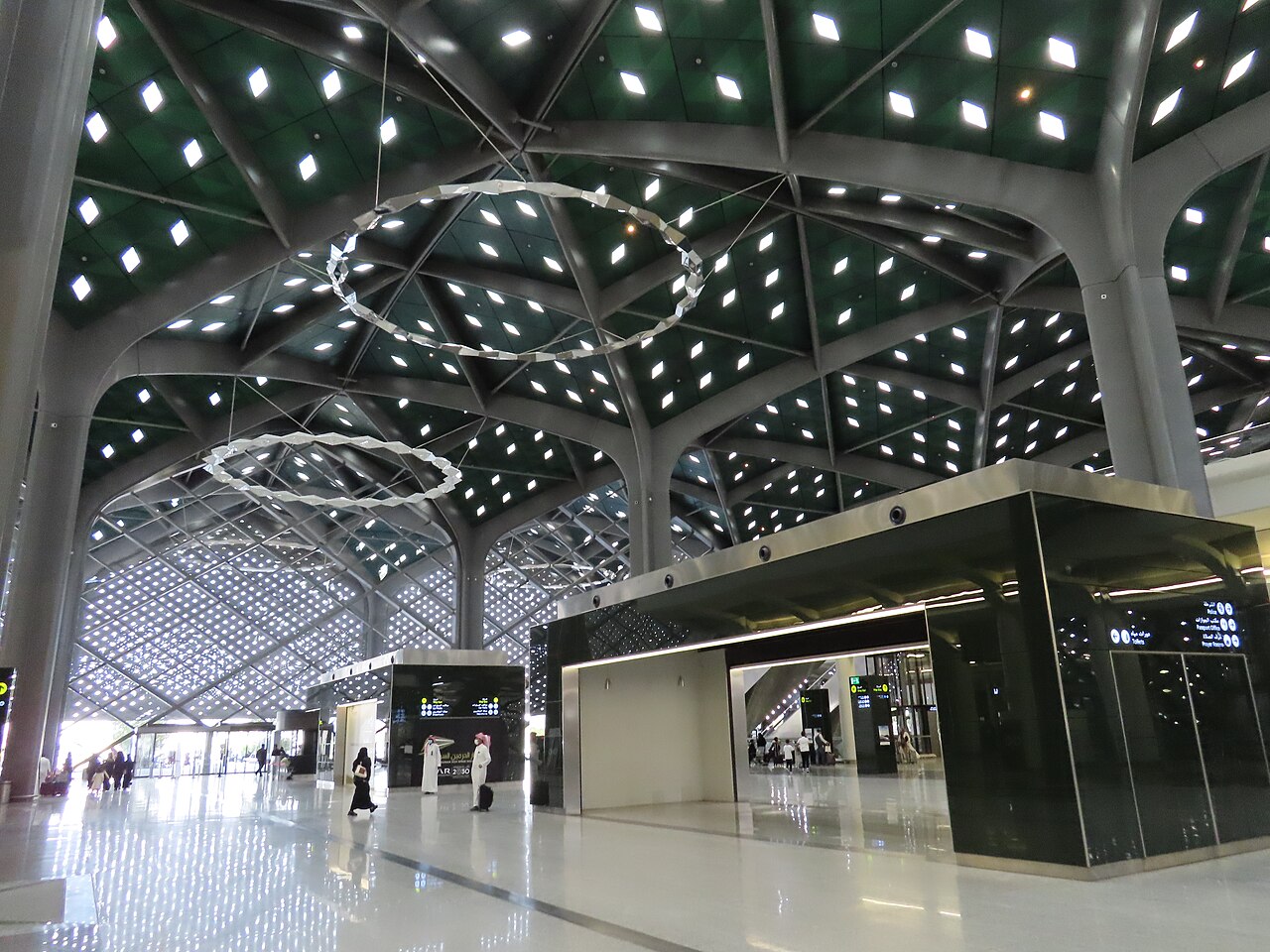
Salat Arbain is forty consecutive obligatory prayers at Masjid an-Nabawi. Here is its basis, the hadith's status, and a balanced view.
Salat Arbain is the practice of performing forty obligatory prayers consecutively at Masjid an-Nabawi in Madinah, without missing a single one. Since there are five obligatory prayers a day, forty prayers means roughly eight full days in Madinah. This practice is popular among Indonesian umrah and hajj pilgrims, so many travel packages allocate a long enough stay in Madinah to make it possible.
The basis of this practice is a hadith mentioning a virtue for one who prays forty times at Masjid an-Nabawi without missing any, namely that he is recorded as freed from the Fire, freed from punishment, and free of hypocrisy. This great merit is what makes many pilgrims eager to fulfil it.
However, pilgrims should understand that the status of the hadith on salat Arbain is discussed among scholars. Some consider it a weak narration, while others still act upon it within the framework of virtues (fadail). Therefore, salat Arbain is best regarded as a good voluntary practice when possible, not an onerous obligation nor a condition for the validity of umrah or hajj.
The wise attitude is not to turn Arbain into a burden that causes excessive anxiety. If, due to flight schedules, health conditions, or crowding, a person cannot complete the forty prayers, he commits no sin and his worship remains valid. What matters most is preserving the obligatory prayers in congregation during the stay in Madinah with full devotion.
Here are some tips for salat Arbain to go smoothly. First, arrive early at the mosque to find a comfortable spot, especially at busy times. Second, maintain stamina with enough rest and regular meals, as the routine of going back and forth to the mosque is quite tiring. Third, use the time between prayers for dhikr, reciting the Qur'an, or supplication, rather than merely waiting.
While in Madinah, pilgrims are also encouraged to send abundant blessings upon the Prophet (peace be upon him) and to observe etiquette in his mosque. The calm, spacious atmosphere of Masjid an-Nabawi is a precious chance for reflection and self-improvement.
With a sincere intention and correct understanding, salat Arbain can become a means of training devotional discipline and increasing love for the Prophet (peace be upon him), without falling into excessive beliefs.
It should be remembered that a far more strongly established merit is the merit of praying at Masjid an-Nabawi itself. An authentic hadith states that a prayer at Masjid an-Nabawi is a thousand times better than a prayer at any other mosque, except Masjid al-Haram. So whatever number of prayers you are able to perform there, the reward is already immense.
Therefore, if a person cannot complete the forty prayers, he is still encouraged to make the most of every congregational prayer during his stay in Madinah, along with increasing worship at the Rawdah and the prescribed visits. The ambition to complete Arbain must not lead one to neglect health, harm oneself, or behave harshly towards other pilgrims when competing for a spot. A calm, patient attitude that prioritises the quality of worship is far more beloved than merely chasing a number.