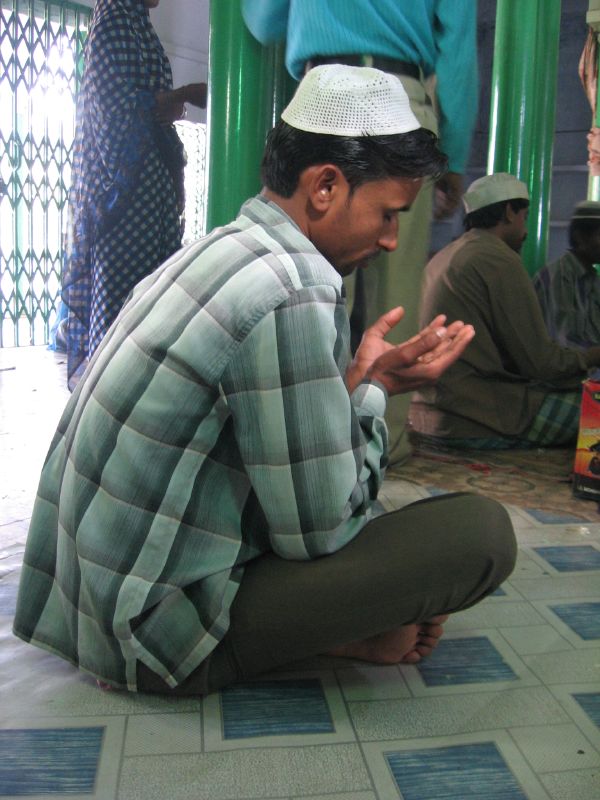
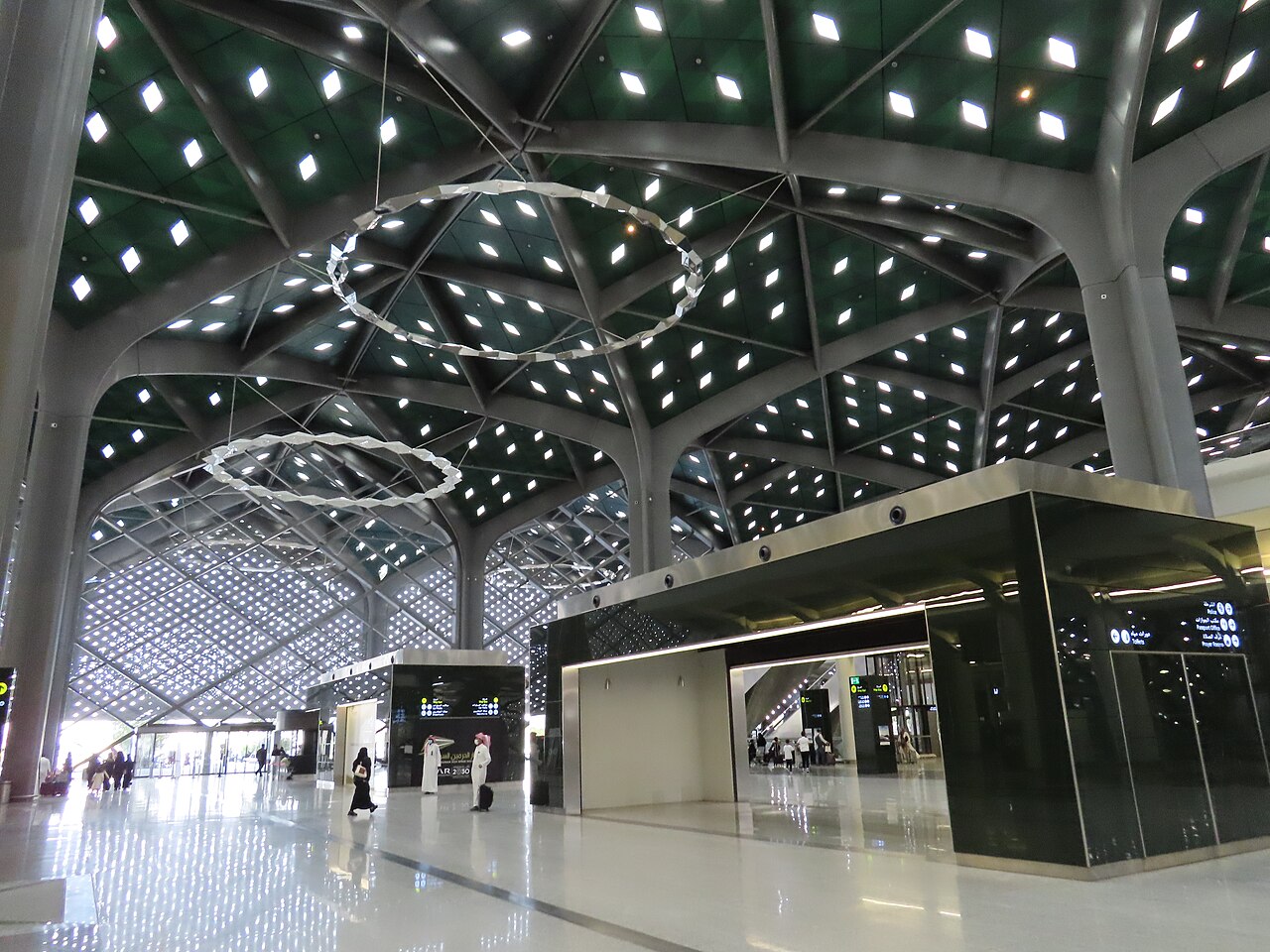
Elderly pilgrims need special attention so worship stays comfortable and safe. Here are preparations and habits that help.
Elderly pilgrims generally have great enthusiasm for worship, yet their physical condition demands special attention so the journey stays comfortable and safe. With good preparation and a wise attitude, worship can be carried out calmly without overexertion. Here are tips that can help.
Have a thorough medical check-up before departure and consult your doctor about your condition. Bring enough routine medication for the entire trip, keep it in your cabin bag with a copy of the prescription, and inform the group medical officer of your medical history from the start.
Choose a package with a hotel close to the mosque and a smaller group. A short distance greatly reduces fatigue from walking, while a small group allows more personal assistance and better attention from the muthawwif.
Use the available facilities without hesitation. Wheelchair services in the mosque area are a great help for performing tawaf, sa'i, or simply moving around. Asking for help is not a sign of weakness but a wise way to protect yourself so you can keep worshipping optimally.
Manage your energy carefully throughout the day. Prioritise the obligatory rites and pillars, then take adequate rest between the schedule. There is no need to force every voluntary act of worship when your body is already tired, because preserving your health is part of sustaining your worship to the end.
Stay hydrated and eat regularly. Drink water periodically even when not thirsty, and do not skip meals so you maintain energy for walking and worship. Wear comfortable footwear and clothing suited to the local weather.
Always travel with a companion or group, and carry an ID card with your name, family or muthawwif contact number, and hotel address. If possible, memorise the features of the mosque gate you usually use so you do not easily get lost in the crowd.
Also mind your comfort inside the vast mosque. Learn the location of the lifts, escalators, and nearest gates so you need not walk too far. Bringing a light folding stool or a small sitting mat can help when you must wait for the prayer time, so your body is not overly tired and you can calmly await the iqamah.
Finally, share your special needs with the travel team from the registration stage. Open communication helps the staff prepare the right assistance, from room arrangements and wheelchairs to the easiest route. That way, your worship will, God willing, run smoothly, comfortably, safely, and with full peace of mind.