Time differences and long flights can disrupt your sleep rhythm. Here is how to adjust so you stay fit for worship.
The journey to the holy land involves a long flight with a time difference of roughly four to five hours behind Indonesia. This gap, combined with hours of travel fatigue, often causes jetlag: drowsiness during the day and difficulty sleeping at night. With the right adjustments, your body can adapt faster so you stay fit for worship.
Begin adjusting your sleep schedule a few days before departure. Shifting your bedtime and wake time gradually toward the destination time zone helps your body prepare on arrival, so the disruption to your rhythm is less noticeable in the first days.
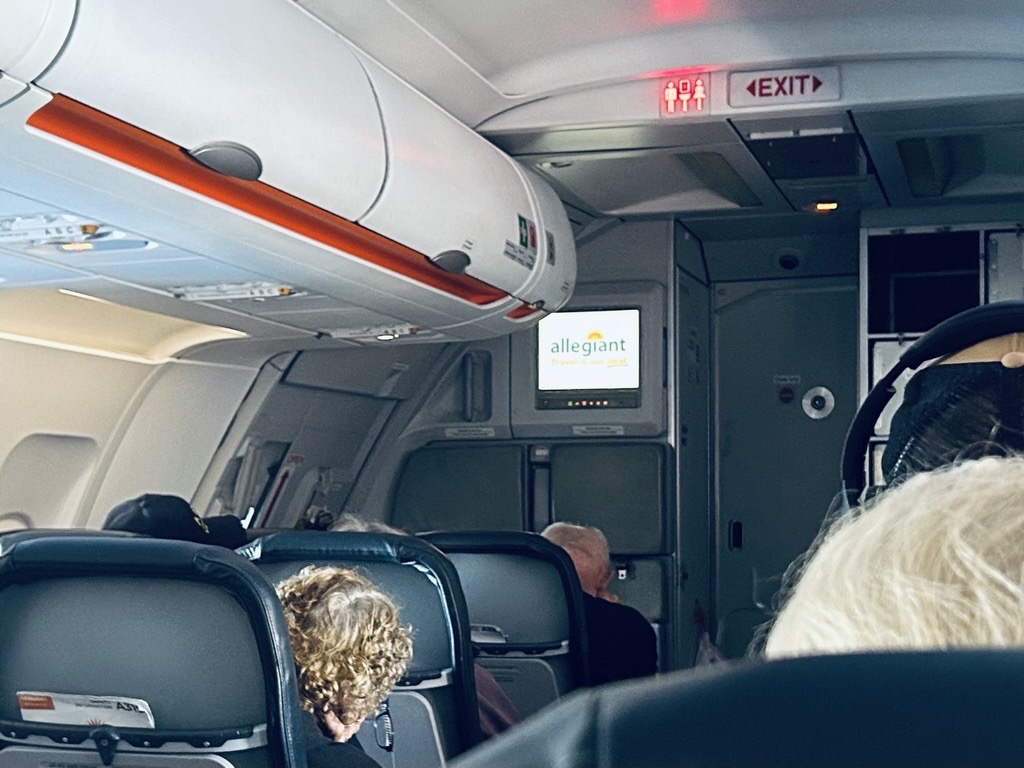
On the plane, drink enough water and avoid excessive coffee or tea that keep you awake. Use the flight time to rest: wear an eye mask, use a neck pillow, and put on loose clothing so your body can relax. Occasionally move your legs and walk the aisle to improve circulation.
Once at your destination, follow local time as soon as possible. If you arrive in the morning or midday, try not to sleep for long straight away; hold off drowsiness until night so your body rhythm adjusts quickly. Conversely, if you arrive at night, rest adequately to recover your energy.
Make use of the morning sunlight, as exposure to sunlight helps your body reset its biological clock. A short walk in an open area around the hotel in the morning, while breathing fresh air, can speed up your adaptation to local time.
Schedule sleep between acts of worship wisely. The schedule in the holy land is packed with the five daily prayers and various ziyarah activities. Take a short nap of about twenty to thirty minutes after the noon prayer to recover, but avoid sleeping too long during the day so you can still rest soundly at night.
Keep a balanced diet and do not skip meals, since energy is much needed for long walks and prolonged worship. Limit heavy foods close to bedtime so your rest is of better quality.
Create a room atmosphere that supports quality sleep. Dim the lights, set the room temperature to be cool, and reduce noise where possible. Avoid staring at your phone screen right before sleep, as its light can delay drowsiness. A calm nightly routine, such as performing wudu and remembrance before lying down, also helps your body and mind become more ready to rest.
Finally, do not force every voluntary act of worship when your body is truly tired. Prioritise the obligatory rites, get adequate rest, then continue worship in a fresher condition. Maintaining your health and fitness is an important part of completing the entire series of rites calmly and to the fullest.